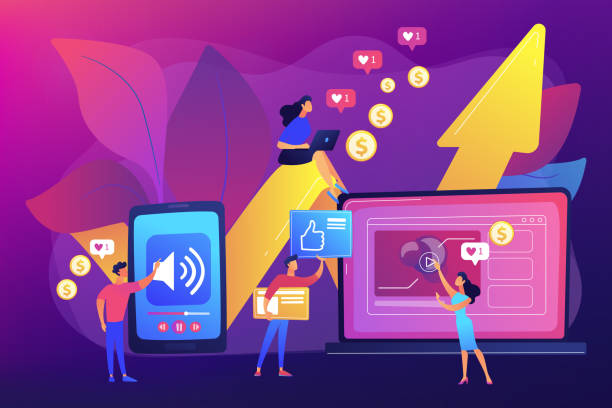

The digital marketing landscape in 2025 is evolving rapidly, driven by advancements in technology, shifting consumer behaviors, and the increasing importance of personalization and data-driven strategies. Staying ahead of these trends is essential for businesses aiming to remain competitive. Below are the key trends shaping the future of digital marketing this year.
Artificial intelligence (AI) continues to dominate the digital marketing space, enabling hyper-personalized customer experiences and improving efficiency. AI is now integral to:
Personalization: Delivering tailored content, product recommendations, and marketing messages in real-time.
Automation: Streamlining tasks like ad optimization, email marketing, and customer service through AI-driven chatbots and virtual assistants.
Predictive Analytics: Leveraging data to anticipate customer needs and improve decision-making.
By 2025, AI-driven strategies are expected to power 75% of marketing activities, making it a cornerstone of modern campaigns.
Search behavior has shifted beyond traditional search engines like Google. Key developments include:
Social Platforms as Search Engines: Platforms like TikTok and Instagram are now primary search tools for Gen Z users.
Voice Search: With over 1 billion monthly voice searches globally, optimizing for conversational and question-based queries is critical.
Visual Search: Technologies like Google Lens enable users to search using images, transforming product discovery.
Brands must adopt an omnichannel approach to ensure visibility across platforms such as YouTube, TikTok, app stores, and voice-enabled devices.
Short-form videos continue to dominate social media platforms like TikTok, Instagram Reels, and YouTube Shorts. These bite-sized videos are ideal for capturing shrinking attention spans while delivering engaging messages. Key strategies include:
Creating snackable content under one minute.
Leveraging storytelling to connect with audiences emotionally.
Using live streaming and interactive video formats for real-time engagement.
Social commerce is transforming social media platforms into virtual storefronts. Key highlights include:
Revenue Growth: Social commerce is projected to exceed $1 trillion by 2028.
Influencer Marketing: Influencers play a pivotal role in driving product discovery through niche expertise and loyal followings.
Live Shopping: Interactive live streams with click-to-buy options are becoming a standard feature on platforms like Instagram and TikTok.
With tightening global data privacy regulations, businesses must prioritize ethical data practices. Strategies include:
Collecting first-party data through transparent and consent-based methods.
Building trust by emphasizing data security and user privacy in campaigns.
Shifting focus from third-party cookies to alternative tracking solutions.
Augmented reality (AR) and virtual reality (VR) are redefining customer engagement by offering immersive experiences. Examples include:
Virtual try-ons for fashion or makeup products.
Interactive product demonstrations that allow users to visualize items in real-world settings.
Gamified experiences that enhance brand interaction.
7. Sustainability Marketing
Consumers increasingly favor brands that demonstrate eco-friendly practices. In 2025, successful campaigns will highlight:
Ethical sourcing and carbon neutrality initiatives.
Transparent communication about sustainability efforts.
Community contributions that align with socially responsible values.
8. Advanced Keyword Strategies
Keyword research has become more sophisticated with the rise of AI-powered tools and changing search behaviors. Trends include:
Prioritizing long-tail keywords and conversational phrases for voice search optimization.
Clustering keywords by intent (informational, transactional, navigational) to align content with user needs.
Exploring emerging platforms like TikTok for keyword insights that resonate with younger audiences.
The digital marketing trends of 2025 emphasize the importance of innovation, personalization, and ethical practices. From leveraging AI-powered tools to embracing immersive technologies like AR/VR, businesses must adapt their strategies to meet evolving consumer expectations. By staying ahead of these trends, brands can create meaningful connections with their audiences while driving measurable results.
We’d love to hear from you! Whether you have questions, feedback, or just want to say hello, please feel free to reach out to us.

We are your partner in digital success, delivering innovative strategies that connect your brand with the right audience.